
14 Square Inches of Valuable Brand Real Estate
I’ve designed hundreds of business cards during my career as a brand strategist and I’ve given out and received thousands of business cards during the past 10 years as a business owner.
As a marketing tool, the humble business card is one of the most valuable pieces of brand real estate you own. So it’s worth spending the time to make the most of this important asset.
Note: there are many great digital business card solutions out there but I want to focus on physical, printed business cards in this post because I believe they have some distinct advantages over their digital-only cousins.
Advantages of printed business cards
It’s a social interaction. In Asia, the exchanging of business cards is an important cultural touchpoint that can make or break business negotiations. Here in the West the exchange is not as formal but it still represents an important aspect of networking and building business relationships. When someone asks for your card, it signals that they’re interested in creating a connection that’s deeper than simply looking you up on LinkedIn.
It’s a physical artifact. In a world of everything-is-digital, a printed business card is an artifact that’s likely to stay on someone’s desk and serve as a reminder that a potential opportunity is waiting. Printed marketing has begun to make a comeback in the B2B space as a result of “digital fatigue” and a longing for authenticity.
It’s a haptic experience. The physical nature of a printed business card taps into our brains and creates value that digital data cannot. This phenomenon is known as haptic perception and triggers a deeper level of engagement, understanding, and brand recall. But don’t take my word for it, check out the research.
It’s cost-effective investment in your brand. Compared with other marketing channels, business cards are relatively inexpensive to produce and are one of the best investments you can make. It’s a piece of your brand that someone else is carrying with them.
It can be a unique brand statement. The design of your business card can either make you forgettable or memorable. I’m talking directly to entrepreneurs and business owners who have complete control over how their cards look. For those of you working for McLargeHuge Inc. there are other ways of branding yourself beyond business cards, but that’s another post for another time.
Be unique
Because I’m a design nerd, some of my favorite business cards are ones with unique features that stand out from the crowd. Here are a few examples:
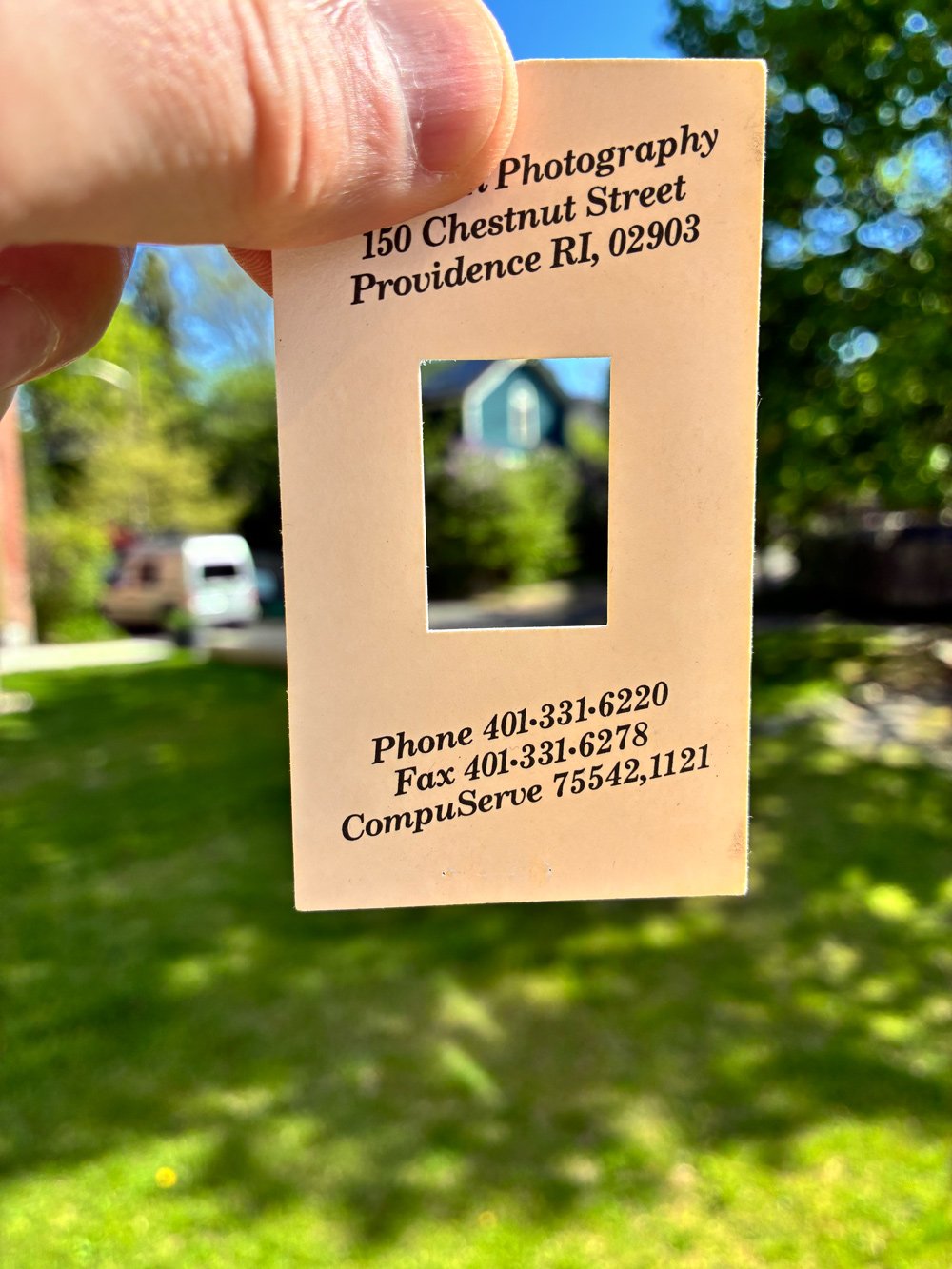
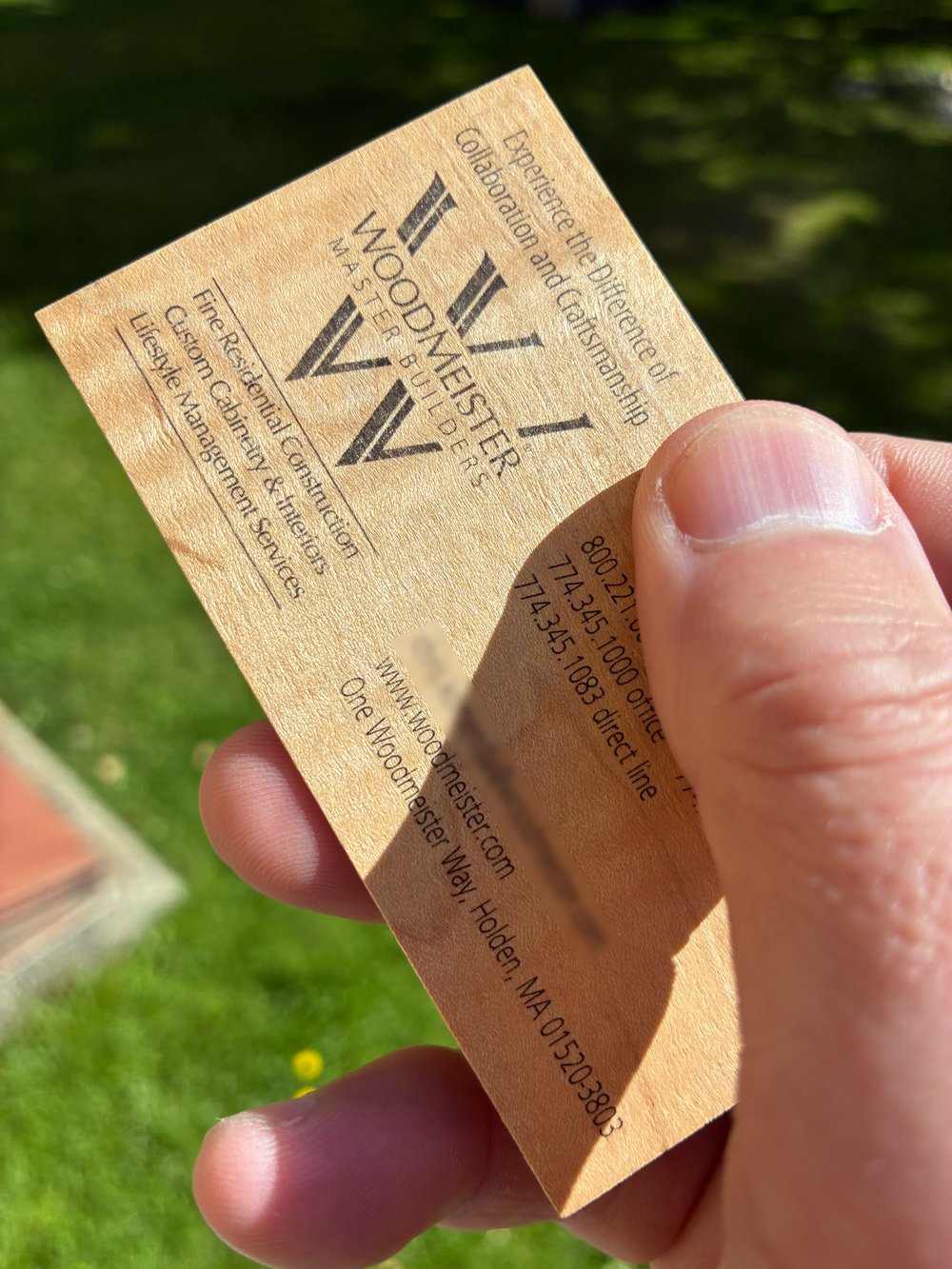
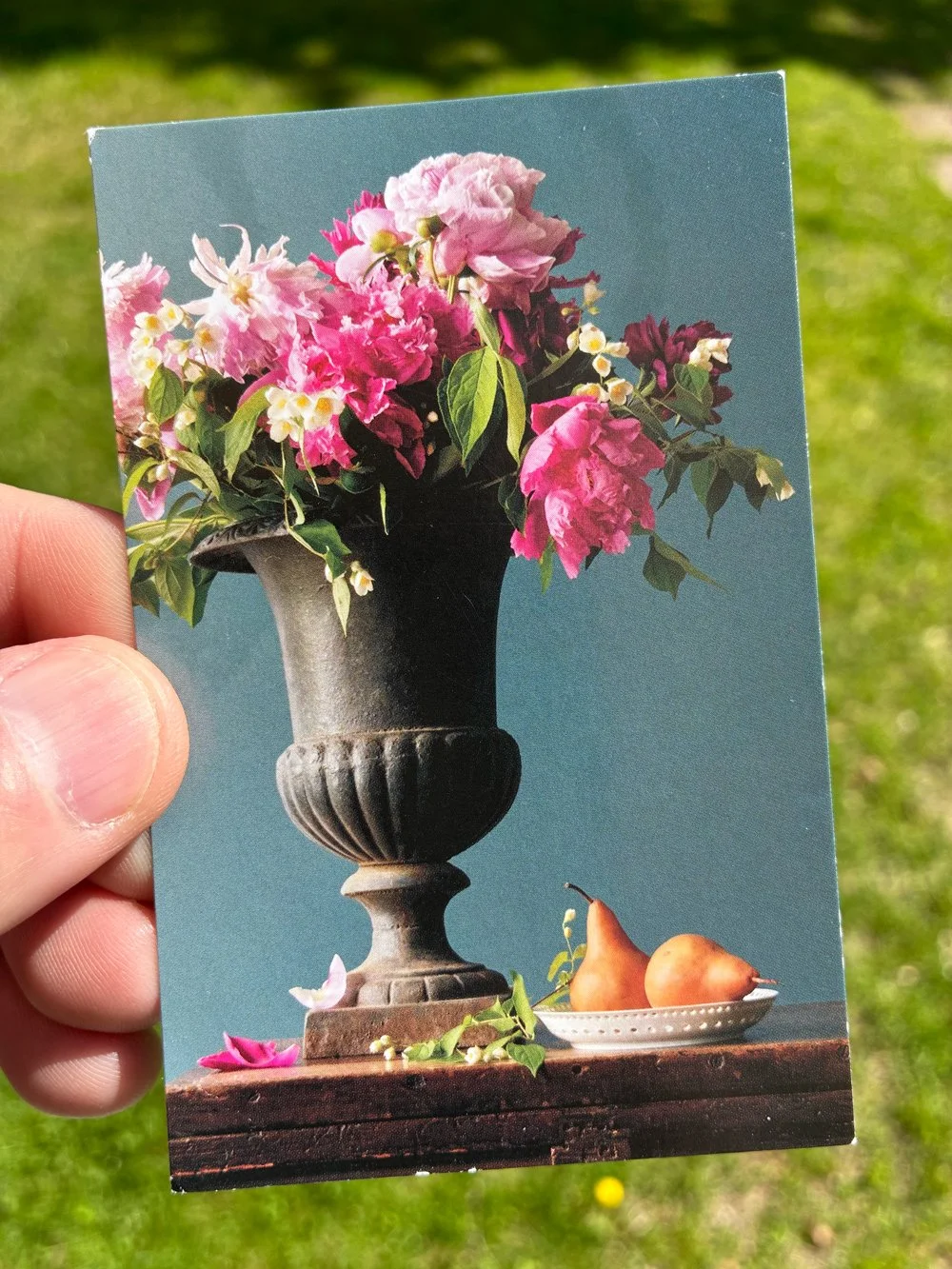
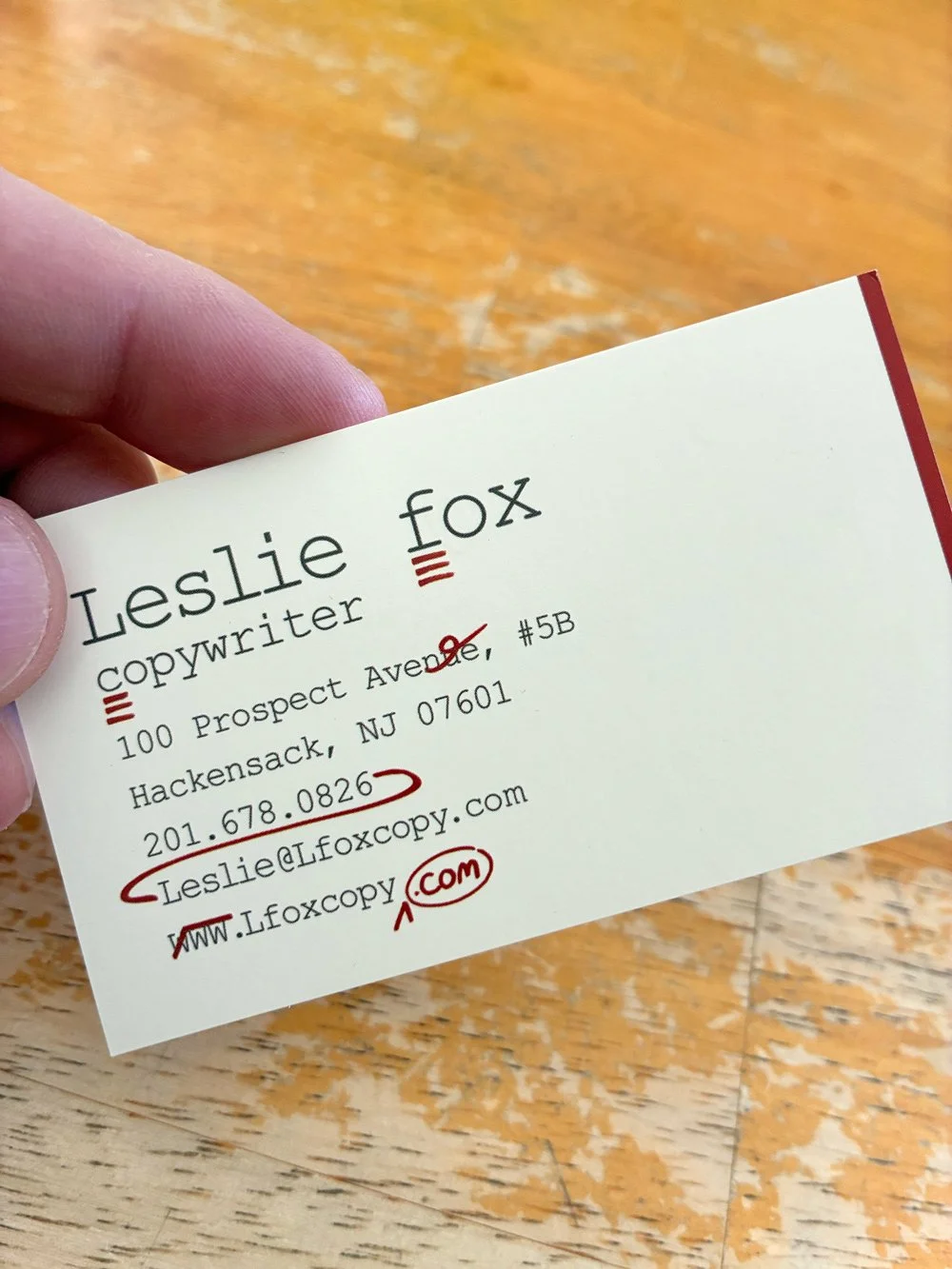
Top Left: A very clever use of a die-cut to reinforce the importance of composing a good photo. If the fax number doesn’t give away how long I’ve had this business card, the CompuServe number certainly will.
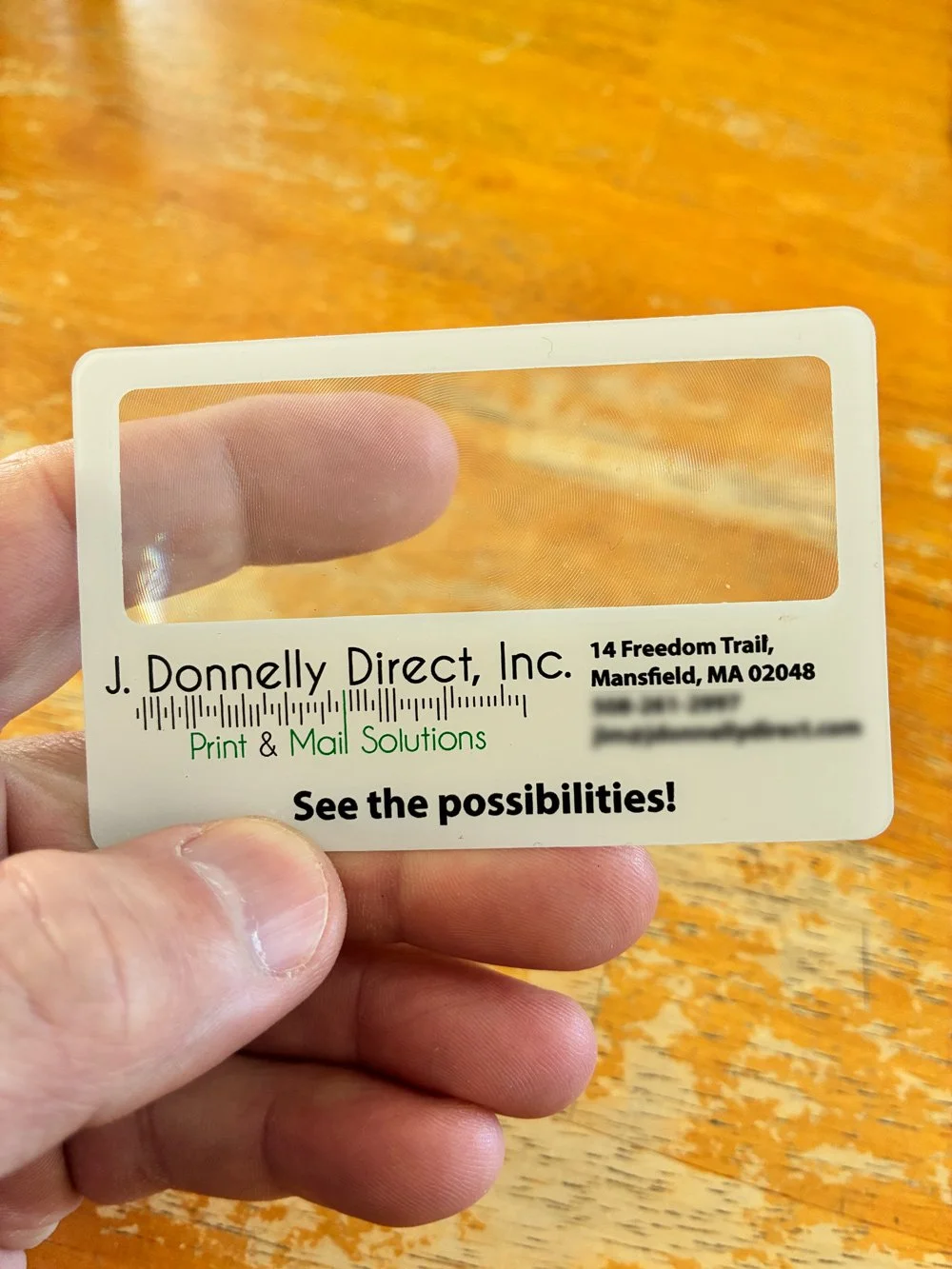
Top Center: This card doubles as a printer’s magnifying loupe. I actually use this card frequently because a lot of printed directions use very small print.
Top Right: This oversized business card hits you with a beautiful image before revealing the photographer’s name and contact info on the reverse.
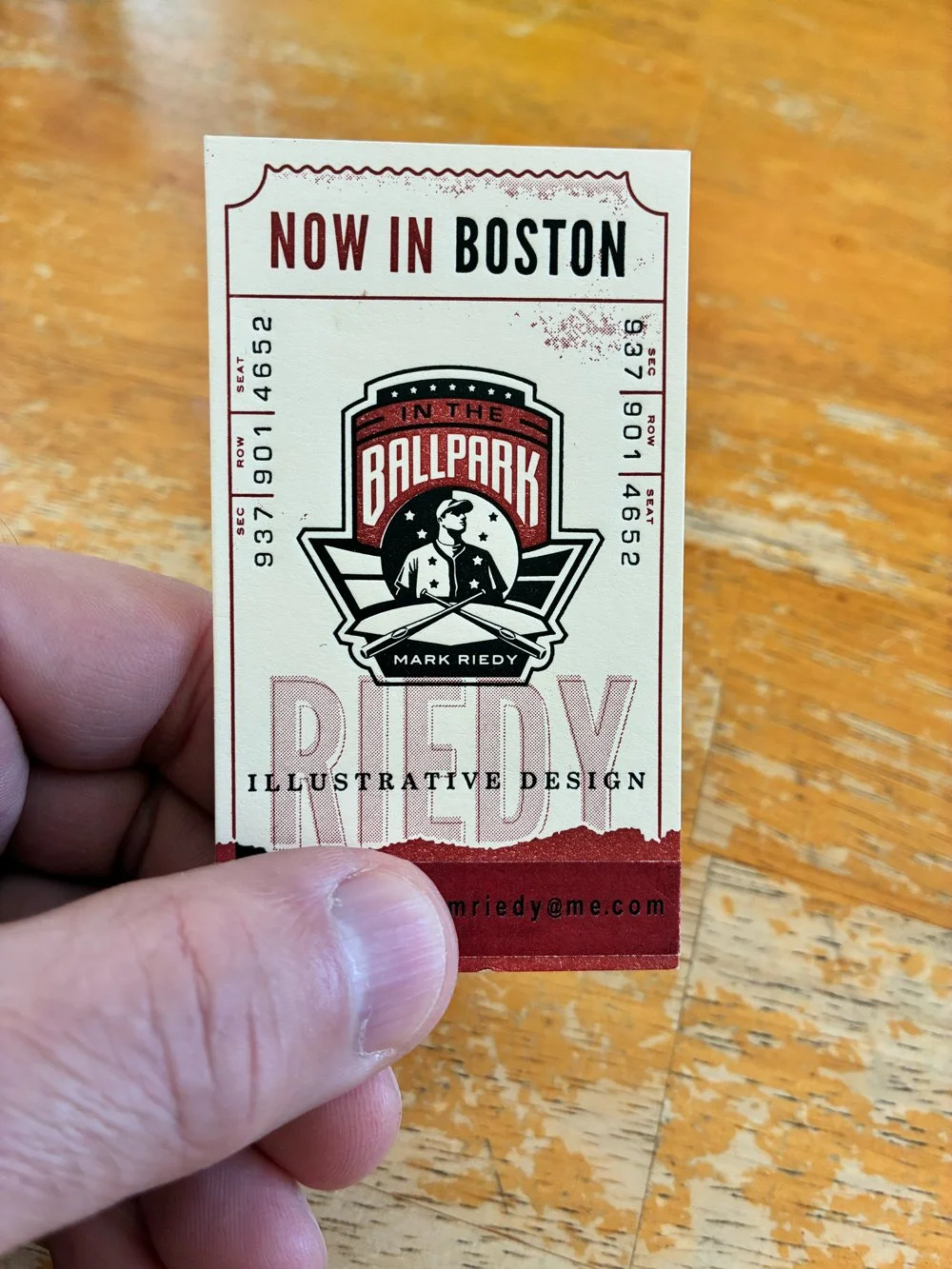
Bottom Left: This card is working hard for the money. Not only does it feature the illustrator’s work, it’s designed to resemble a sports ticket and cleverly incorporates his phone number. Blind embossing has been applied to the illustration to add a tactile element.
Bottom Center: Printed on two-ply curly maple wood veneer stock, you know instantly this is a high-end residential construction company that cares about quality materials.
Bottom Right: In the world of everything digital, this is another card that gives away its age but I love that it playfully reinforces what a good copywriter and editor does.
Business card design tips
These are some simple things you can do to make your business stand out from the ordinary.
Use both sides of the card. You’re paying for it, you might as well leverage all 14 square inches. You can spread out your information and avoid overcrowding one side and even feature some of your work.
If your website or email address is long or hard to remember, consider using a QR code instead.
Use larger print when possible. Those of us who don’t have the eyes of a hawk will thank you. And if you’re reducing everything to make all of the content fit, see my suggestion above about using the both sides of the card.
Make your card unique by spending a little extra for a custom finish, embossing, or a die cut. I’ve had several compliments on my cards because of the silky finish that Moo.com offers. A note on paper stock finishes: if you’re using a glossy varnish, use it on one side of the card only so your networking connections can write notes on the non-varnished side.
If budgets are tight, rounded corners, heavier stock and vertical orientation are inexpensive ways for your business card to stand out.
Unusual sizes can definitely help your card be distinctive but there are a couple of things to consider first. A very small card can get lost easily on someone’s desk or in their pocket. Non US-standard cards may not fit easily into a presentation folder or business card binders.
Most importantly, work with a professional designer or brand strategist to design your business cards so they can be part of a larger, cohesive brand for your company.